Stem cell therapy has become a buzzworthy topic in today’s regenerative medicine world, especially for people seeking alternatives to long-term pain or slow recovery. These unique cells act as the body’s natural repair system. They help damaged tissues recover faster and restore function where traditional treatments may fall short. Because they have the ability to transform into different types of cells, they target underlying issues rather than temporarily masking symptoms. This has sparked strong interest among patients dealing with stubborn injuries or chronic discomfort.
But with rising popularity comes an overload of mixed opinions. Some individuals are convinced that stem cell therapy is completely risk-free and almost miraculous, while others feel hesitant because of circulating misconceptions. Sorting out truth from fiction is essential before deciding on any regenerative treatment. In this blog, we’ll break down the most common myths and explain the actual facts surrounding the safety of stem cell therapy.
Common Myths and Facts About Stem Cell Therapy
We’re breaking down widespread misconceptions and sharing the real science behind stem cells so you can make confident choices about your care and better understand the big question: are stem cell treatments safe?
Myth 1: Stem cell therapy is unproven and experimental
Fact: Stem cell treatment isn’t guesswork — it’s backed by an expanding collection of scientific evidence. Many clinical studies have shown promising results for orthopedic problems like osteoarthritis, tendon tears, and cartilage deterioration.
Yes, regenerative medicine is still developing, but stem cell therapy has already delivered meaningful improvements for countless patients. Trusted sports and spine clinics rely on research-driven methods and carefully designed protocols to provide safe, effective care for those seeking long-term relief and better mobility.
Myth 2: Stem cell therapy can cure any condition
Fact: Although stem cell therapy delivers significant advantages, it isn’t a universal cure-all. How well it works depends on the specific issue and the patient’s overall condition.
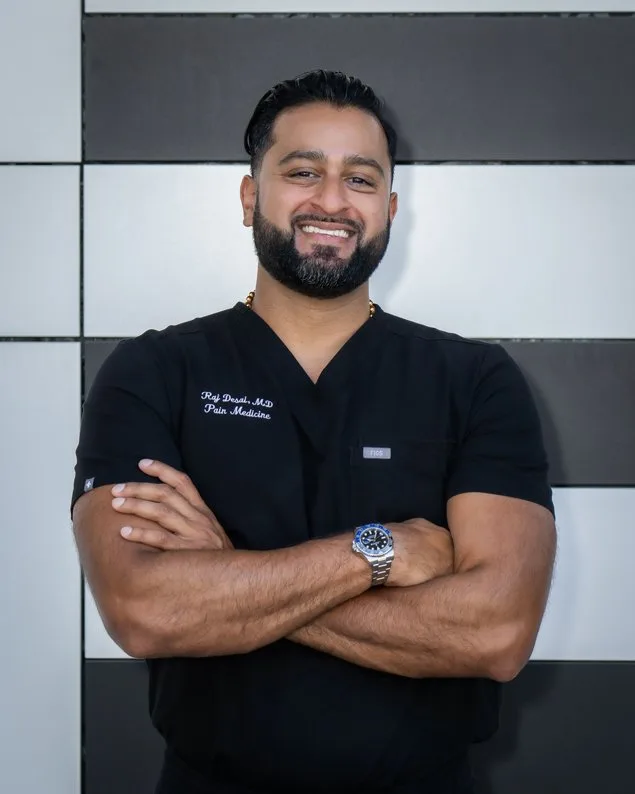
In the orthopedic world, especially for shoulder, knee, and other joint concerns, stem cells can support tissue repair and help ease pain. Still, it’s not the right solution for every case. Dr Raj will assess your injury, medical history, and goals to determine whether this treatment is the best fit or if another approach would offer better results.
Myth 3: Stem cell treatments are unsafe
Fact: When performed by trained specialists in a controlled medical environment, stem cell therapy is considered a safe procedure. Clinics follow strict guidelines and sterile protocols to protect patients at every step.
At our sports and spine clinic, treatments are conducted with the highest safety standards. The stem cells used are derived directly from the patient’s own body, greatly reducing the risk of rejection or adverse reactions.
Myth 4: All stem cell therapies are the same
Fact: Not all stem cell treatments work the same way. There are different types of stem cells and several techniques used to deliver them. In orthopedics, the two most common sources are autologous stem cells — taken from the patient — and allogeneic stem cells, obtained from a donor.
Our clinic relies on autologous bone marrow–derived stem cells, allowing for a more personalized and biologically compatible approach to healing.
Myth 5: Stem cell therapy is painful
Fact: Stem cell treatment is a minimally invasive procedure, and most patients find it quite manageable. After the cells are collected and prepared, they’re carefully injected into the targeted area.
A local anesthetic is used to keep you comfortable throughout the process. Some mild soreness can occur afterward, but it typically fades within a few days. For many patients, the long-term improvement in mobility and pain levels far outweighs the brief post-procedure discomfort.
Myth 6: Results from stem cell therapy happen right away
Fact: Stem cell therapy supports your body’s natural healing, and that process takes time. While a few individuals notice early improvements within weeks, most experience steady progress over several months. The injected cells work gradually — easing inflammation, repairing damaged tissue, and encouraging new cell growth, which leads to more meaningful, lasting results.
Stem Cell Therapy Is Safer Than Conventional Treatment
A newer and safer method of treating health issues is stem cell therapy. Instead of relying on major surgery or strong medications, this approach uses your body’s own cells to support healing from within. By encouraging the repair of damaged tissues in a controlled and biologically friendly way, recovery tends to be quicker with far fewer side effects.
Compared to conventional treatments that may involve large incisions, lengthy downtime, or medication-related risks, stem cell therapy generally carries a lower chance of complications such as infection or significant post-procedure pain. It also helps protect the rest of the body from unnecessary stress caused by heavy drug use.
While research continues to expand, current findings suggest that stem cell therapy is a reliable and practical option for many people seeking long-term relief and improved function without the added risks of more aggressive treatments.
Prioritizing Safety at Dr. Raj Performance Sports and Spine
Safety is always the priority when it comes to any medical procedure, especially advanced treatments like Stem Cell Treatment for Back Pain in Marina Del Rey. At our clinic, every step is carried out under strict health and safety standards. We follow well-established protocols, use modern, high-precision equipment, and rely on the expertise of our trained specialists.
By maintaining these rigorous measures, we create a controlled and secure environment where patients can experience the full advantage of stem cell therapy with confidence and peace of mind.