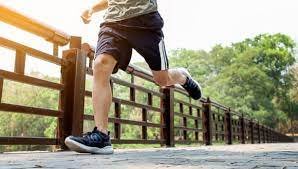
- Start slowly and gradually increase your distance and intensity: If you are new to running or returning after a break, it is important to start slowly and gradually increase your distance and intensity. This will give your muscles and joints time to adapt to the new demands you are placing on them.
- Wear proper shoes: Wearing shoes that are designed for running and that fit well can help prevent injuries. Consider getting your feet measured and buy shoes that are appropriate for your foot type and running style.
- Cross-train: Incorporating other types of low-impact activities, such as cycling or swimming, into your training routine can help prevent overuse injuries by giving your joints a break from the impact of running.
- Strengthen your core and hip muscles: Strong core and hip muscles can help improve your running form and reduce the risk of injury. Consider incorporating exercises like planks, clamshells, and lunges into your training routine.
- Warm up before running and stretch afterwards: Taking a few minutes to warm up before you start running and stretch afterwards can help prevent injuries.
- Listen to your body: If you experience pain or discomfort while running, take a break and rest. Continuing to run through pain can lead to more serious injuries.
- Consider getting fitted for orthotics: If you have flat feet or overpronate (roll inward excessively when you run), you may benefit from orthotics (shoe inserts) to help support your feet and reduce the risk of injury.
It’s also a good idea to see Dr. Desai if you have any persistent pain or discomfort while running. He can help diagnose the cause of the pain and recommend appropriate treatment.